

This is how an angel comes
out of the earth, upwards
from the underworld
when everybody thought
they came from the light wings
of the sky – no
they are massive –
on nights of rain and sleet, split
the soil, splash and muddy the grass
wingspans wide as lakes
wearing mud armour, they crawl
full length up rivers and streams
dam ditches, seep through drains
penetrate walls, barns, chicken coops
unsettle bats with wing-beats
that shake down trees –
remind us, cradled in our prayers
how we like to remain dry, sheltered.
This is how angels come
mouths full of earth
spitting verses
of poetry.
by Miriam Darlington
This poem seems to draw me in, and I’m incredibly surprised! I find this can happen with poetry from time to time. The poem does something to me, my thinking mind is still flummoxed by it and keeps asking what this poem is actually about anyway, and yet it has affected me already.
This reminds me of how expanding and powerful it can be to let a poem do something to us rather than to strive to ‘get’ the poem. T.S. Eliot said: ‘Genuine poetry can communicate before it is understood’. My response to this poem is a perfect example of that, and it is mindful presence that enables the receiving of the poem in a way that relies on a different kind of comprehension to the one most of us are used to using. Perhaps mindfulness gives us access to a wide variety of ways to know and perceive. Perhaps my response to this poem has its own mysterious logic, it’s just one that ‘I’ don’t know how to make sense of.
I really love metaphors, because I think they communicate at the level of this mysterious logic. This poem is not about heavenly angels with light-filled forms. Here the angels come up out of the earth from the underworld, and they are beings of the storms, of turbulence and disruption, of mud and raging water. This reversal is why I’m so surprised by liking this poem. Here the angels seem to disrupt the dry, sheltered lives that we may be living. They come in fury. In the last part of the poem Miriam Darlington says they have mouths full of earth and spit verses of poetry – what an image! Perhaps they come to jolt us awake, violently if necessary, with dark and fierce impact. Perhaps this sharp awakening is sometimes what is needed, to snap us out of autopilot and into presence.
I wonder how you relate to this poem? How does the poem make you feel with all of its vivid imagery? What does the poem do to you? Does the metaphor cut through to a part of you that may be listening, ready to be roused, as it does for me? Or does something else completely happen?

PS. We run a variety of courses on how poetry and mindfulness can illuminate each other and open us to a contemplative life. Look out for practice days 4 times a year on varying themes, 6 week Mindfulness Meets Mystical Poetry courses twice a year and soon a special masterclass series on Contemplative Poetry featuring poets Julia Fehrenbacher, Rosemerry Wahtola Trommer, Kim Rosen, John Roedel and Brother Richard Hendrick…
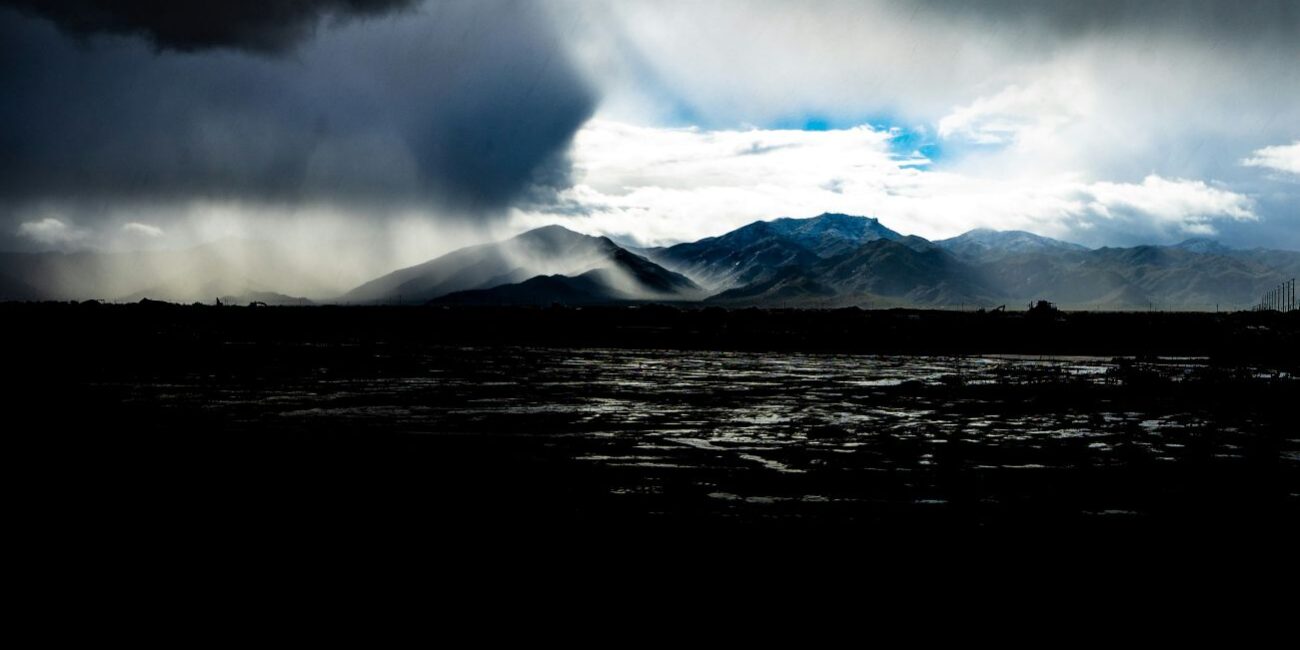
Photo by Tom Gainor on Unsplash