In our modern, high-speed world, many of us find ourselves living in a state of perpetual “threat.” We are often our own harshest critics, and our brains seem designed to hold onto every mistake while letting the good moments slip away. If you feel like your “cup is empty” and you are longing for a way to restore your inner balance, science and nature offer a powerful path forward.
This August, we invite you to The Crichton in Dumfries for a transformative weekend: Compassion in Nature. Led by experienced tutors Jacky Seery and Karen Baird, along with nature expert Mike Pratt, this retreat is more than just a break—it is an evidence-based training for your heart and mind.
The Science of the “Compassionate Brain”
Why does compassion feel so difficult sometimes? Neuroscience provides a clear answer. Evolutionary psychologist Paul Gilbert explains that our brains possess a built-in “negativity bias”. As we evolved, it was more important for survival to remember “sticks” (threats) than “carrots” (rewards). Consequently, the brain acts like Velcro for negative experiences but Teflon for positive ones.
When we are self-critical, we activate our threat system, which floods the body with the stress hormone cortisol. This state switches off our positive feelings and leaves us feeling anxious and depleted. However, we also have an evolutionary heritage of soothing and affiliation. Compassion training is the process of intentionally activating this system to counter-balance the threat response.
The good news is that our brains are plastic. As the saying goes, “neurons that fire together, wire together”. Currently, your neural pathways for compassion might feel like “forgotten country lanes with potholes,” but through practice, we can build “compassion superhighways”.
Nature: The Unconditional Refuge
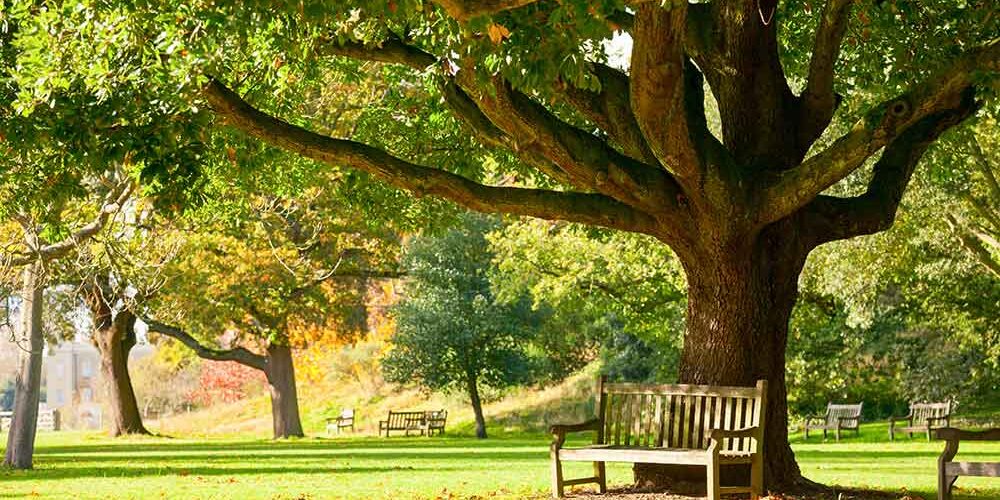
While we can practice compassion anywhere, the natural world provides a unique “unconditional refuge” from the complexities of life. Nature doesn’t demand anything from us; it doesn’t judge our successes or failures. As the poet Wendell Berry wrote, when we come into the presence of “still water” and “wild things,” we are freed from the “forethought of grief” and can rest in the grace of the world.
During the weekend, Mike Pratt will lead us on walks and gentle Qigong sessions. These practices ground us in the body, helping us move from the “upper storeys” of our busy, over-thinking minds down into the “lower storeys” of embodied experience. By practicing outdoors, we allow the cycles of nature—like the way autumn makes way for the renewal of spring—to mirror and support our own inner growth.
Embracing the “Compassionate Mess”
One of the most liberating aspects of this course is the concept of the “Compassionate Mess”. Many people avoid compassion training because they feel they aren’t “spiritual” or “perfect” enough. But as tutor Rob Nairn famously taught, “perfection is not a prerequisite for anything but pain”.
This weekend isn’t about becoming a “saint”; it’s about “descent”—the willingness to drop into our messy, unpredictable, and sometimes neurotic humanity. We will provide you with a “certificate of authority” to be human, imperfect, and even dysfunctional. It is only when we honestly face our “mud”—our difficult emotions like anger or jealousy—that the “lotus” of true compassion can begin to bloom.
What You Will Gain
The Compassion in Nature weekend focuses on the two psychologies of compassion:
- Developing the courage and sensitivity to move toward our difficulties rather than running away.
- Building the inner resources and skills to respond to that suffering with kindness and warmth.
Participants will leave the weekend with:
- Practical Self-Compassion Tools: Techniques like the “Self-Compassion Break” to use in the heat of stressful moments.
- The Power of Imagery: Learning how to use compassionate imagery to stimulate physiological systems in the brain that lower stress.
- Resilience through Gratitude: Using Rick Hanson’s “taking in the good” method to weave positive experiences into the fabric of your brain.
- A Refilled Cup: A deep sense of restoration that allows you to continue caring for others without burning out.
Join Us
Whether you are a complete beginner or looking for a refresher, this weekend is a perfect introduction to the life-changing practice of compassion.
- Dates: 15-16 August 2026
- Location: Crichton Central, The Crichton, Dumfries
- Tutors: Jacky Seery, Karen Baird, and Mike Pratt
- Price: £185.00
[Book Your Place Here via the Mindfulness Association Website]
Come and discover how the “sunshine of loving-kindness meets the raindrops of suffering” to create the rainbow of compassion in your own life. We look forward to seeing you in the wild.
You are very welcome! To help you get the most out of your promotional campaign for the Compassion in Nature weekend, here are a few “bite-sized” social media hooks and scientific “did you know” facts drawn from your sources that you can use alongside the video and blog:
Did You Know?
The Power of Imagination: Research shows that the images we deliberately create in our minds—like imagining a delicious meal or a compassionate colour—stimulate the same physiological systems as real-life events. This is why our compassionate imagery practices are such powerful tools for changing how you feel.
- The Three Systems: We often get stuck in our “threat system,” which floods our bodies with cortisol and switches off positive feelings. This course teaches you to actively stimulate your “soothing and affiliation system,” a biological potential wired into our mammalian heritage that helps us feel safe and connected.
- The 30-Second Rule: To counter our brain’s negativity bias, we need to “linger and relish” positive experiences for at least 20 to 30 seconds. This duration is key to helping neurons “fire and wire together,” weaving happiness into the very fabric of your brain.